Concussion – Early Therapies
Early treatments can be very helpful for healing.
Physical Therapy, Craniosacral Therapy, and Acupuncture Therapy are 3 Early Treatment Options.
- Treatment often can start within the first 2-5 days after a concussion.
**Vertigo (spinning/dizziness) is very common.
- If you are experiencing these symptoms, early treatment is best. Please seek treatment from a trained professional (often a Physical Therapist) right away!
- You can go to dizzy.com to find a provider in your area. Read our blog on vertigo for more information!**
Daily restorative activities: 20 minutes of light cardio, stretching, and mindfulness breathing!
Expand the sections below to learn more about early treatment options after concussion.
Physical Therapy
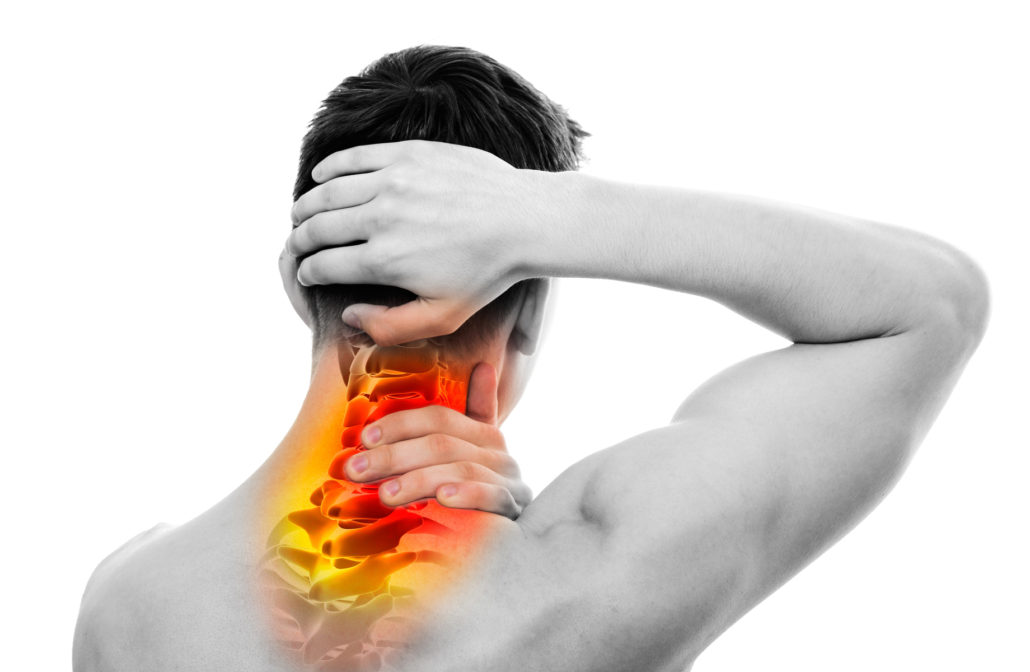
Physical Therapy (PT) can address neck pain and headaches early in recovery. PT can also provide individualized exercise programs.
What to expect:
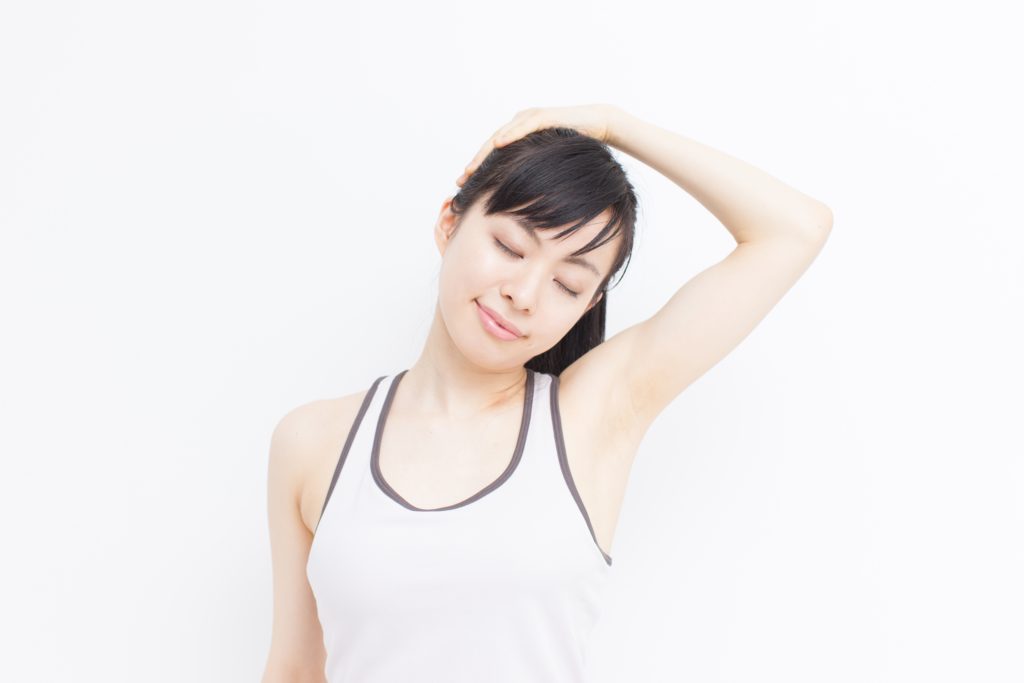
- Manual therapies – massage, joint mobilizations (movement of the bones), and stretching
- Dry needle therapy requires an advanced certification and can be beneficial for neck pain and headaches.
- Small needles are inserted into the muscle to release trigger points.
- Modalities are still used by some clinics continue (moist heat and electrical stimulation) to help to reduce pain.
- These are considered “feel good therapies” and may temporarily relieve symptoms but should not be a primary focus.
- Dry needle therapy requires an advanced certification and can be beneficial for neck pain and headaches.
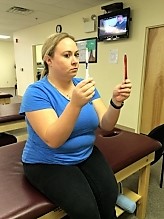
- Vision / Vestibular (inner ear) therapies – early access to therapy for dizziness and balance problems can help speed up recovery. Exercises to retrain your eyes and inner ears can start as early as 1 week after the injury.
- The exact best timing of this intervention is not known. Current research suggests early access is better and treatment should always be modified based on symptoms.
- Strengthening – for neck pain and headaches, you should expect to complete a neck strengthening program and exercises to improve your posture.
- Neck strengthening is often boring but CRUCIAL for recovery from whiplash injuries.
- Progressive Exercise – your PT or Athletic Trainer (ATC) should lead you through a Return to Sport Progression including progressive exercise.
- Re-conditioning is very important before returning to sport.
- Returning deconditioned can increase injury risk to your ankles, knees, back…
- Lauren’s article about the importance of treating the neck is available here.
- Lauren has developed a new treatment paradigm for concussions treating Primitive Reflex Disinhibition.
- You can learn more in her original journal article or her 2024 article.
- Your provider can learn how to complete this treatment program by completing the continuing education courses in our Provider Section.
If your injury was more than 3 weeks ago, you may be a good candidate for neurologic PT. To learn more about accessing care through Phoenix, please follow this link to our Patient Portal.
Craniosacral Therapy
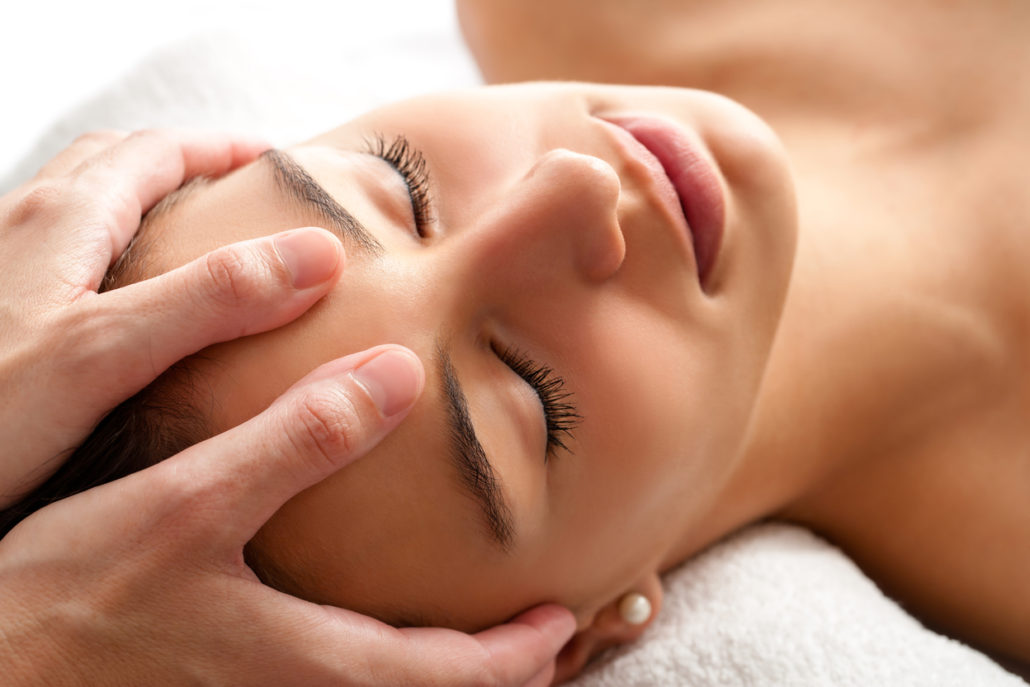
Craniosacral therapy (CST) involves two forms of gentle manipulation with light pressure on the connections between the bones in the skull.
- These gentle manual treatments are believed to restore balance in the nervous system by improving the rhythmic flow of cerebrospinal fluid that bathes and nourishes the nervous system.
- CST can provide some relief for symptoms such as headaches, neck and jaw pain.
CST can be completed by a variety of providers: certified massage therapist, physical therapist, or chiropractor.
Acupuncture
According to the traditional Chinese explanation, illness results from the blockage of the flow of energy or Qi through the body. According to this tradition, the use of acupuncture helps to open up the flow of Qi and restore balance to the system.
The Eastern medicine explanation is that acupuncture needles send a mild pain message to the brain. The brain responds by sending a pain-relieving message electronically and chemically back to the body.
What to expect:
- Acupuncture involves inserting very thin needles into precise points on the body to promote healing and improve functioning.
- These locations are known as acupuncture points.
- The needles may be stimulated with electricity or heat.
- Typically, the needling will cause a slight pinching sensation, but otherwise is not painful.
Benefits of Mindfulness and Meditation
There are lots of ways to relax. Some ways are designed to relax your mind and some to relax your body. Because of the way the mind and body are connected, many relaxation methods help both.
Expand the tabs to learn more.
Why
The problem:
- Today, our lives are fast paced and high stress.
- Often we get “stuck” in the sympathetic drive.
- Being “stuck in fight or flight” can require an enormous amount of energy.
- The sympathetic drive isn’t all bad!
- We want to have flexibility between our sympathetic and our parasympathetic (rest and digest / vagal tone) systems.
The trauma of a concussion stresses our physical, emotional, and mental systems. It triggers an exacerbated stress response and depletion of available energy resources.
- The injury disrupts normal brain function as it redirects energy to be available for brain healing.
- Mindfulness forces the individual to stop the merry go round, pause frequently to reclaim energy, and be mindful of self-care and stress management.
- This is a fundamental concept to embrace for all of us.
Benefits
Mindful Meditation is neuro-regenerative – it increases the amount of neuronal connectivity (connections in the brain), learning, and memory.
Improves: Emotional regulation, self awareness, and sleep.
Reduces: Fatigue, depression, and anxious feelings – all common symptoms in concussion.
Bringing awareness to your breath calms the nervous system. This simple act reduces sympathetic nervous system (fight or flight) responses and improves energy available for recovery.
How To
Meditation calms the mind by focusing our attention on things that are happening right now in the present moment.
- Begin with focusing on your breathing. Work to slow the rhythm and breathe deeply.
- This sends a message to the brain to calm down and relax, which will extend to the rest of the body.
- Breathing exercises provide a good way to relax, reduce tension, and relieve stress.
- Diaphragmatic breathing and 360 rib-cage breathing are excellent strategies.
- Box breathing can lead to sympathetic activation.
- Try a shorter inhale and longer exhale for nervous system calming (parasympathetic activation).
- For example, try 4 seconds in, 6 seconds out 5 times.
If meditation is hard for you and you find yourself struggling or falling asleep, fear not!
- Meditation is a skill that will need to be learned.
- There are several apps you can use to help guide you in this journey.
- Youtube can be a great free resource.
- The research supporting meditation is astounding.
- Just give it a try, you’ll be amazed!